


-

Add: HeBei ShengShi HongBang Cellulose Technology CO.,LTD.
-

Email
13180486930@163.com -

CONTACT US
+86 13180486930




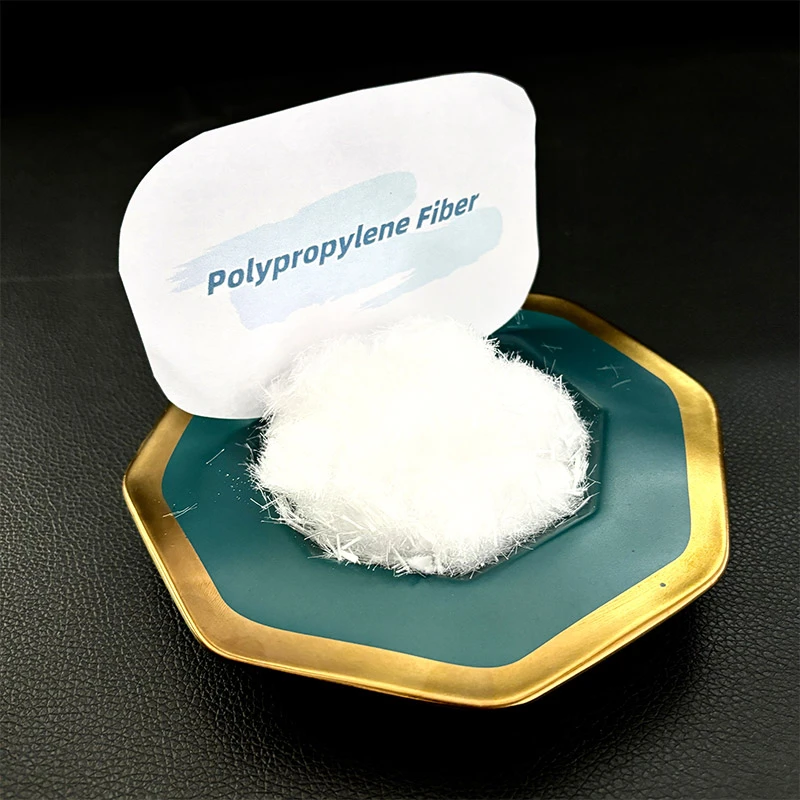
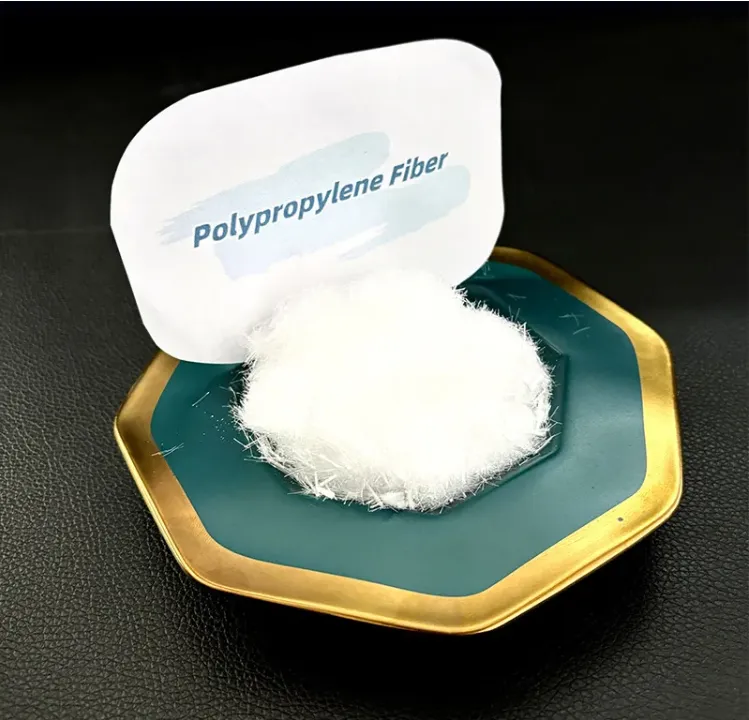
Polyolefin fibers, an essential component in the textile and manufacturing industries, have significantly gained attention due to their versatile applications and superior qualities. These fibers, derived from polymers such as polypropylene and polyethylene, offer a unique combination of properties that cater to numerous industrial needs, enhancing both product performance and durability. One of the most significant advantages of polyolefin fibers is their exceptional resistance to moisture. This property makes them an ideal choice for outdoor applications, where exposure to environmental elements like rain and humidity can quickly degrade other materials. For instance, agricultural fabrics designed to protect crops from the elements heavily rely on polyolefin fibers due to their robust water-repellent characteristics, ensuring longevity and consistent performance across seasons. Moreover, the high tensile strength of polyolefin fibers contributes importantly to their value in various industries. Their ability to withstand considerable stress without breaking or deforming makes them suitable for manufacturing high-strength ropes, fishing nets, and even geotextiles used in construction projects. This inherent strength not only extends the lifespan of the products made from these fibers but also enhances their reliability in critical applications, where failure is not an option. A prominent feature of polyolefin fibers is their inherent resistance to chemical attacks. This characteristic is particularly beneficial in environments where exposure to harsh chemicals or solvents is a concern, such as in industrial filtration systems or packaging materials. Products made from polyolefin fibers do not easily degrade when in contact with chemicals, ensuring both product integrity and safety over time. In the arena of sustainability, polyolefin fibers present a commendable profile. They are fully recyclable and contribute less to the overall carbon footprint compared to some other synthetic fibers. Their production process, largely driven by advances in polymer technology, has become more energy-efficient, allowing manufacturers to produce these fibers with reduced environmental impact. This aspect of sustainability positions polyolefin fibers favorably among environmentally conscious businesses aiming to incorporate more eco-friendly materials into their product lines. polyolefin fiber The light-weight nature of polyolefin fibers is another enticing benefit, leading to two major advantages—ease of handling and reduced transportation costs. Their low density results in lighter end products, which is particularly beneficial for applications in the automotive and aerospace industries, where weight reduction translates to improved fuel efficiency and performance. Polyolefin fibers thus contribute to overall cost savings , benefiting both manufacturers and end consumers. While the advantages are clear, incorporating polyolefin fibers into applications requires careful consideration of certain technical properties. Polyolefin fibers have a relatively low melting point compared to other synthetic fibers, which can be a limiting factor in high-temperature applications. However, this limitation is often addressed in innovative ways by blending polyolefin fibers with other materials or using them in environments where their low thermal resistance is not an issue. The expertise and authority of polyolefin fiber production have been greatly advanced by leading companies and research institutions globally. Their focus remains on refining the production processes and enhancing the fiber’s properties to meet the ever-evolving demands of the market. Extensive research and development activities ensure these fibers remain at the forefront of innovation, maintaining their status as a reliable and versatile material choice. Trustworthiness in the field of polyolefin fibers is further reinforced by strict compliance with international standards and certifications, which oversee the quality and environmental impact of these materials. Reputable manufacturers provide comprehensive data and transparency about their products, allowing consumers to make informed decisions based on verified performance metrics. In conclusion, polyolefin fibers represent a remarkable blend of performance, durability, and sustainability, making them indispensable across a variety of industrial sectors. Their distinctive properties provide tangible benefits, from extending product life to reducing environmental impacts, ensuring that polyolefin fibers will continue to be a material of choice for innovative solutions well into the future.
- 40000tons

Production
- 20+years

Experience
- 5000+㎡

Acreage

-
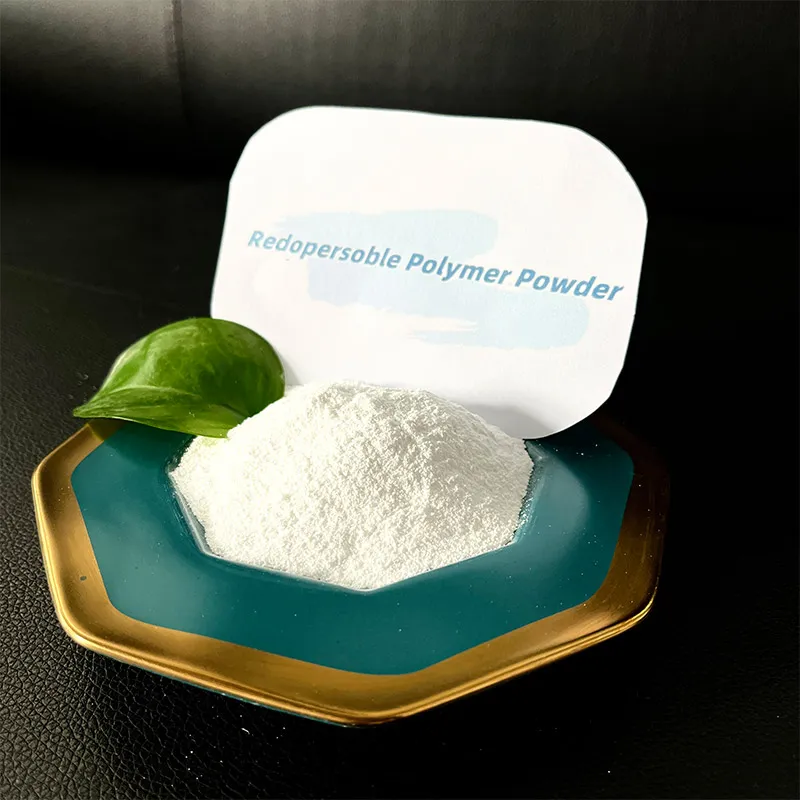
The Role of Polypropylene in Screed Applications Screed is an essential material in the construction industry, primarily used to create a smooth, level surface on floors before the application of final floor finishes. Among the various additives and components that can enhance screed performance, polypropylene has gained significant attention. This article delves into the role of polypropylene in screed applications, highlighting its benefits and considerations. What is Polypropylene? Polypropylene is a thermoplastic polymer that is widely used in various applications due to its excellent chemical resistance, durability, and versatility. As an additive in screed formulations, polypropylene fibers improve several mechanical properties of the material, addressing some common challenges faced in flooring applications. Benefits of Polypropylene in Screed 1. Crack Resistance One of the primary advantages of incorporating polypropylene fibers into screed is the enhancement of fracture resistance. As the screed dries and cures, it is prone to cracking due to shrinkage stresses. Polypropylene fibers help to distribute these stresses more evenly throughout the material, reducing the likelihood of cracks forming. 2. Improved Tensile Strength Polypropylene fibers also contribute to increased tensile strength in the screed mix. This is particularly crucial in high-traffic areas where the floor is subject to additional stresses. The addition of polypropylene not only improves the screed's performance but also extends its lifespan. 3. Enhanced Workability Polypropylene-fortified screed mixtures exhibit improved workability, making them easier to pour and spread. This can lead to more efficient installation processes and better surface finishes. Workers can achieve a smoother application, which is vital for aesthetic and functional floor appearances. 4. Resistance to Delamination Delamination is a common issue in flooring installations where layers of the screed separate from one another. The use of polypropylene helps combat this problem by enhancing the bond between layers, thus maintaining the integrity of the flooring system. nyuzi za polypropen kwa screed 5. Fire Resistance While traditional cement-based screeds can be susceptible to fire damage, polypropylene fibers add a level of fire resistance. Although not fireproof, they can help reduce the risk of damage in case of fire, providing an added layer of safety in specific applications. Considerations When Using Polypropylene in Screed Despite its many advantages, there are some considerations to keep in mind when using polypropylene in screed applications - Dosage The amount of polypropylene added to the screed mix must be carefully calculated. Too much can lead to a decrease in workability and increased water demand, while too little may not provide the desired benefits. - Compatibility with Other Materials It is essential to ensure that the polypropylene used is compatible with other components of the screed mix and does not adversely affect the setting and curing processes. - Environmental Impact While polypropylene is generally considered safe, concerns about its environmental impact and recyclability should be taken into account, particularly in terms of sustainability practices within the building industry. Conclusion Incorporating polypropylene into screed formulations presents a myriad of benefits that can significantly enhance the performance and durability of flooring systems. From improved crack resistance and tensile strength to better workability and fire resistance, polypropylene offers a robust solution to some of the most common challenges in flooring. However, careful consideration of dosage, compatibility, and environmental impact is crucial. With proper application, polypropylene can play a pivotal role in achieving high-quality flooring solutions that stand the test of time. As the construction industry continues to evolve, the integration of advanced materials like polypropylene will undoubtedly contribute to more resilient and sustainable building practices.
-

Raw Materials for Synthetic Fibers An Overview Synthetic fibers have become an integral part of our daily lives, shaping industries ranging from fashion to automotive. These fibers are made from raw materials that have transformed textiles, offering durability, versatility, and a range of functionalities. To understand the production of synthetic fibers, it is essential to explore the various raw materials involved, the processes of transforming these materials, and their impact on the textile industry and the environment. Types of Raw Materials The production of synthetic fibers primarily relies on petrochemical products derived from crude oil. The two most common types of synthetic fibers are polyesters and polyamides, which are produced from specific raw materials. 1. Polyester The most widely used synthetic fiber, polyester, is typically made from polyethylene terephthalate (PET). PET is synthesized from two key raw materials terephthalic acid and ethylene glycol. Both of these compounds originate from crude oil, undergoing processes such as polymerization to create polyesters. Known for its strength and resistance to stretching and shrinking, polyester has become a popular choice in clothing, home furnishings, and industrial applications. 2. Polyamide (Nylon) Another significant synthetic fiber is polyamide, commonly known as nylon. The production of nylon involves raw materials like hexamethylenediamine and adipic acid, which can also be sourced from petroleum or derived from renewable resources. Nylon fibers are prized for their exceptional elasticity, strength, and abrasion resistance, making them ideal for products such as hosiery, activewear, and ropes. 3. Acrylic Acrylic fibers, often used as a wool substitute, are manufactured from polyacrylonitrile (PAN). The raw materials for PAN typically include acrylonitrile, which is derived from propylene—another byproduct of oil refining. Acrylic fibers are lightweight, soft, and exhibit good color retention, providing a popular choice in blankets, sweaters, and textiles. The Production Process Once the raw materials are sourced, the production of synthetic fibers generally involves several key steps polymerization, spinning, and finishing. raw material for synthetic fibers - Polymerization This process involves chemically reacting the raw materials to form long chains of molecules, known as polymers. Depending on the desired characteristics of the final product, variations in the chemical process can be implemented to achieve specific attributes, such as thickness and flexibility. - Spinning After polymerization, the resulting polymers are melted down and extruded through spinnerets, which are devices that create filaments. As the molten polymer passes through tiny holes, it cools and solidifies to form fibers. This spinning process can be done using different techniques, such as dry, wet, or melt spinning, each resulting in different types of fiber characteristics. - Finishing The final step in fiber production involves finishing processes that enhance the fiber's performance characteristics. This might include dyeing, texturing, or applying treatments that improve properties like water resistance or flame retardance. Environmental Considerations While synthetic fibers have revolutionized the textile industry, their production poses significant environmental challenges. The extraction and processing of petrochemical raw materials contribute to carbon emissions, pollution, and reliance on fossil fuels. Furthermore, synthetic fibers are not biodegradable, resulting in long-lasting waste in landfills and oceans. To address these concerns, there is a growing movement towards sustainable practices in synthetic fiber production. Innovations in recycling technologies are enabling the repurposing of old synthetic garments into new fibers. Brands are also exploring bio-based alternatives, using renewable resources such as corn starch or sugarcane to produce synthetic fibers, thus reducing their environmental footprint. Conclusion The journey of synthetic fibers from raw materials to finished products is a complex interplay of chemistry, engineering, and environmental considerations. As demand for these materials continues to grow, it is vital to find a balance between industrial benefits and ecological sustainability. By prioritizing innovation and responsible sourcing, the future of synthetic fibers may pave the way for a more sustainable textile industry, combining functionality with environmental stewardship.
advantages
-

200000 Viscosities
Excellent product
We can produce pure products up to 200,000 viscosities
-

40000 tons
High yield
We don’t stop production all year round, and the annual output can reach 40,000 tons
-

24 hours
Quality service
We provide 24-hours online reception service, welcome to consult at any time
———— Inquiry Form
Schedule A services
-
 methocel_f4m
Oct . 25, 2025
HPMC Dextran is the innovative addition to the pharmaceutical excipients' domain that is capturing s -
 tagapagtustos_ng_hydroxypropylmethylcellulose
Oct . 25, 2025
Powder coating rubber might sound like a niche or a novelty in the world of surface finishing, but i -
 hydroxypropyl_methylcellulose_powder
Oct . 25, 2025
Hydroxypropyl methylcellulose (HPMC) and carboxymethyl cellulose (CMC) are two of the most widely us


